

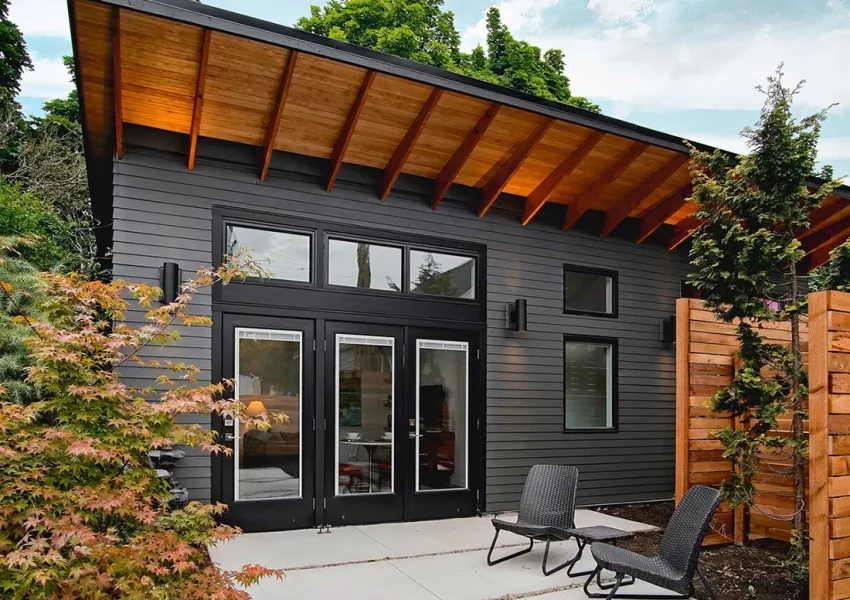
So, you’re thinking about adding an ADU or a backyard cottage. Smart move. It’s a fantastic way to create rental income, house family, or just add some serious value to your property. But let’s be honest—the glamour is in the finished unit. The real work, the gritty, make-or-break detail, is often hidden behind the walls. And nothing is more critical to get right than the plumbing.
Think of your plumbing plan as the circulatory system for this new little home. Get it wrong, and you’re looking at leaks, clogs, freezing pipes, and a world of expensive headaches. Get it right, and the whole thing just… works. Silently, efficiently, for years. Let’s dive into how to make that happen.
First Things First: The Pre-Planning Puzzle
You can’t just start digging. Well, you could, but you really, really shouldn’t. The planning phase is where you avoid 90% of future problems. It’s all about asking the right questions before a single pipe is bought.
Where’s the Water Coming From? (And Going To?)
This is the big one. There are two main paths, and your choice will shape your budget and complexity.
- Tapping into the Main House: This is the most common route. You’ll run supply and drain lines from your existing home’s system to the ADU. It’s usually more cost-effective, but it depends entirely on your main house’s capacity. Is your water heater big enough for two households? Does your sewer line have the volume? An older home might need upgrades first.
- Creating a Separate Service: Sometimes, it’s cleaner (and required by code) to run all-new, dedicated lines from the street. This means separate meters for water and sewer. The upfront cost is higher—you’re dealing with utility companies and more trenching—but it offers long-term simplicity for billing and maintenance, especially if you plan to rent the unit out.
The Layout Dictates the Lines
Here’s a pro-tip: design your ADU layout with plumbing in mind. Grouping wet areas—like placing the kitchen back-to-back with the bathroom, or stacking a second-floor bathroom over a first-floor one—is a game-changer. It minimizes the length of pipes, reduces material costs, and simplifies the venting. It’s one of those insider secrets that saves thousands.
Navigating the Code Jungle
Local building codes aren’t suggestions; they’re the rulebook. And for plumbing, they’re strict for good reason—health and safety. You’ll need permits, and your work will need inspections. Key areas they’ll focus on:
- Pipe Materials: What type of pipe for supply (PEX is the modern darling for its flexibility and freeze-resistance) and for drains (PVC or ABS).
- Venting: Every drain needs a vent to prevent siphoning of water traps (that smelly, gurgly problem). The venting system is a plumbing art form in itself.
- Slope (or “Fall”) on Drain Lines: Drain pipes must slope downward at a very specific angle—not too steep, not too shallow. Goldilocks was a plumber, you know.
- Insulation & Frost Protection: Especially for units in colder climates. Burying supply lines below the frost line or using insulated sleeves is non-negotiable.
The Installation Process: A Rough Roadmap
Okay, plans are approved, permits are in hand. Here’s how the physical installation typically flows. It’s messy, then it’s not.
1. The Underground Work (The “Rough-In”)
This is the trench-digging, foundation-piercing phase. It’s major surgery on your yard. Lines are run from the source (house or street) to the ADU location. This includes both the water supply lines and the sewer/septic connection. Everything is installed, connected, but left stubbed up and waiting. Then it all gets buried and inspected. It’s a huge relief when this phase passes.
2. The Interior Skeleton
Once the ADU structure is framed, the plumber returns to run the network inside the walls and under the floors. All the pipes for sinks, toilet, shower, appliances are put in place, capped off, and connected to the main vents. At this stage, it looks like a chaotic spiderweb of pipes. But to a trained eye, it’s a beautiful, logical system. Another round of inspections happens here before any walls are closed up.
3. The Finish Work (The “Trim-Out”)
Finally, after drywall, flooring, and painting are done, the plumber comes back for the satisfying part. This is when all the fixtures get installed—hooking up the toilet, mounting the sink faucets, connecting the dishwasher. The system is pressurized and tested. Water flows. Drains drain. It becomes real.
Common Pitfalls & How to Sidestep Them
Let’s learn from others’ mistakes, shall we? A few frequent headaches:
- Underestimating the Main House’s Capacity: That old water heater or 3-inch sewer line might not handle the additional load. A professional assessment early on is worth its weight in gold.
- Ignoring Future Access: Pipes will need maintenance. Installing access panels for shut-off valves and cleanouts isn’t just smart; it’s often code.
- Going Too DIY: Sure, you can swap a faucet. But designing and installing a whole new DWV (Drain-Waste-Vent) system? That’s a different beast. A licensed plumber understands the codes, the physics, and the tricks that prevent callbacks.
- Forgetting About the Yard: That beautiful trench for your sewer line? It goes right under your prized oak tree’s root system. Or your future patio. Think about the entire path.
Thinking Beyond the Basics: Trends & Considerations
Modern ADU plumbing isn’t just about function. Efficiency and sustainability are huge now. Consider point-of-use tankless water heaters—they save space and energy bills. Or greywater systems for irrigation, though they add complexity and have their own code hurdles. And PEX piping, with its color-coded lines (red for hot, blue for cold), has honestly revolutionized installations, making them faster and less prone to leaks from fittings.
In the end, plumbing an accessory dwelling unit is a significant undertaking. It’s a dance between practical design, strict code, and skilled execution. But when you turn the key for the first time and hear the satisfying rush of water in a brand-new sink, in a home you created… you’ll know the careful planning was worth it. The best plumbing is the kind you never have to think about. And that’s the quiet goal—to build a system so reliable, it becomes an invisible foundation for life in your new space.